
Dogs are talented communicators, but they rarely make pain obvious. Your dog cannot point to a sore hip, describe a throbbing tooth, or explain that breakfast is untouched because nausea has arrived uninvited. Instead, dogs communicate discomfort through changes in behaviour, movement, posture, appetite, breathing, and social habits. Some signs are dramatic. Others are so subtle that they can look like stubbornness, tiredness, or simply “getting older.”
That matters because dogs often try to carry on despite discomfort. A wagging tail does not automatically mean everything is fine, and a dog who still eats may still be hurting. Knowing your companion’s normal routines is your best early warning system. When something changes and stays changed, it deserves attention – ideally from a veterinary professional who can look beyond the obvious.
Why Dogs May Hide Their Pain
In the animal world, showing weakness can make an individual vulnerable. Domestic dogs may sleep on memory foam and receive snacks for sitting politely, but some of those old survival instincts remain. Many dogs mask pain, especially during excitement. A dog with sore joints may limp around the house, then suddenly appear “cured” when the leash comes out. The enthusiasm is real; the cure is not necessarily real.
Pain also looks different from one dog to another. One may whimper after a minor injury, while another stays quiet with a serious problem. Age, temperament, the location of the pain, and whether it began suddenly or gradually can all affect what an owner sees. This is why comparisons with other dogs are less useful than comparisons with your dog’s usual self.
Changes in Behaviour and Personality
A personality change can be one of the earliest clues. A normally sociable dog may hide, avoid being touched, or leave the room when the family gathers. Another dog may become unusually clingy, restless, or unable to settle. Irritability can also appear. Growling, snapping, or flinching during handling may be a protective response to pain rather than “bad behaviour.”
Watch for changes such as:
- Withdrawing from people, other pets, play, or favourite activities
- Becoming unusually needy, anxious, restless, or unable to sleep comfortably
- Flinching, growling, guarding a body part, or resisting normal handling
- Repeated licking, chewing, or staring at one area of the body
- Losing enthusiasm for walks, car rides, toys, or greeting family members
- Having new accidents indoors or struggling to maintain normal grooming habits
These behaviours do not prove that pain is present, but they are meaningful clues. Punishing a dog for growling or resisting touch can suppress the warning without resolving the cause. A calmer and safer response is to stop the interaction, note what triggered it, and arrange an assessment at a veterinary clinic in Calgary.
Changes in Movement and Posture
Limping is an obvious sign, but painful movement can be much quieter. Your dog may rise slowly, hesitate before using stairs, take shorter steps, or refuse to jump onto a familiar couch. A dog with back or abdominal pain may stand with a hunched posture. A dog with joint discomfort may shift weight away from one leg, sit unevenly, or circle several times before lying down – as if negotiating a tiny peace treaty with the floor.
Pay attention to stiffness after rest, trembling, weakness, dragging a paw, an arched back, a lowered head, or a tucked abdomen. Slipping more often on smooth floors may also reflect weakness or discomfort rather than carelessness. Videos of unusual movement can be helpful because some dogs move differently once they reach the clinic, where adrenaline and curiosity may temporarily disguise a problem.
Appetite, Grooming, and Bathroom Clues
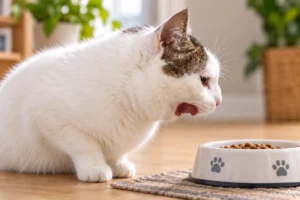
Pain can reduce appetite or make eating physically difficult. Dental pain may cause a dog to chew on one side, drop food, approach the bowl and back away, or favour soft food. Neck or back discomfort may make lowering the head toward a bowl unpleasant. Abdominal pain may be accompanied by nausea, vomiting, diarrhoea, or a tense belly.
Bathroom habits can change too. A dog may strain to urinate or defecate, ask to go outside more often, have accidents, or avoid the posture normally used to relieve itself. Excessive licking around the mouth, joints, paws, abdomen, or urinary area may point toward discomfort. Conversely, reduced grooming can leave the coat looking dull or unkempt.
Facial Expression, Breathing, and Vocal Sounds
A painful dog may pant when the room is cool and no exercise has occurred. Breathing may become faster or shallower, and the heart rate may rise. Some dogs hold their ears back, squint, stare blankly, tense the muscles around the muzzle, or look worried. Others yawn repeatedly or lick their lips when they are stressed by discomfort.
Vocal signs include whining, whimpering, yelping, groaning, or unusual grunting. Silence, however, is not reassurance. Many painful dogs never vocalize. Look at the complete picture: posture, breathing, activity, appetite, interaction, and the circumstances in which the change appeared.
When Pain May Be an Emergency
Some signs call for immediate veterinary attention. Do not wait for a routine appointment if your dog has:
- Difficulty breathing, blue or very pale gums, collapse, or loss of consciousness
- A swollen or hard abdomen, repeated unproductive retching, or severe restlessness
- Major trauma, uncontrolled bleeding, a deep wound, or suspected broken bones
- Sudden inability to stand, severe weakness, paralysis, or dragging of the limbs
- Repeated vomiting, obvious abdominal pain, or an inability to keep water down
- Eye injury, sudden vision trouble, a seizure, or intense and continuous distress
Call ahead while preparing to travel so the veterinary team can advise you and get ready. Keep movement gentle, avoid pressing on a painful area, and transport your dog securely. If the situation is severe or rapidly worsening, contact an emergency vet in Calgary.
Why Home Treatment Can Make Things Worse
The internet contains plenty of confident advice, and dogs remain wonderfully bad at reading dosage charts. Never give human pain medication unless a veterinarian specifically directs you to do so. Common products can be toxic to dogs, interact with other medications, damage organs, or hide symptoms that help identify the underlying problem.
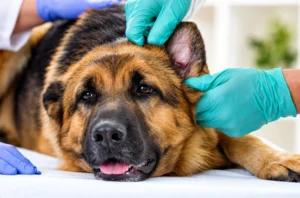
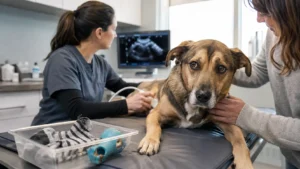
Pain is a symptom, not a diagnosis. Arthritis, dental disease, infection, an injured ligament, a spinal problem, pancreatitis, urinary disease, and many other conditions can create overlapping signs. A professional examination may include observing movement, gently checking the body, examining the mouth, and recommending tests such as bloodwork or imaging. The goal is not merely to quiet the symptom – it is to find the cause and choose treatment that is appropriate for that particular dog.
What to Record Before the Appointment
Useful observations can make a veterinary visit more productive. Note when the change began, whether it is constant or intermittent, what makes it better or worse, and whether appetite, thirst, sleep, or bathroom habits have changed. Record all medications and supplements your dog receives. If safe, take a short video of limping, unusual breathing, difficulty climbing stairs, or another behaviour that may not happen during the examination.
Avoid repeatedly testing the sore area. If touching a paw produced a yelp once, your dog has already submitted the review – one star, would not recommend. Give your pet a quiet space, restrict strenuous activity, and follow the clinic’s instructions until the appointment.
Trust the Change You Notice
You know the rhythm of your dog’s day: the breakfast dance, the preferred sleeping position, the exact speed of the evening walk, and the suspiciously accurate sound detection used whenever cheese is opened. A small break in that pattern may be your first indication that something hurts.
Early veterinary care can relieve suffering and may prevent a manageable condition from becoming more serious. If your dog seems different, uncomfortable, or less able to enjoy normal life, trust your observation. Contact Westmount Animal Clinic today to book an examination. A professional assessment can help uncover the cause, provide safe pain relief, and get your companion back to the important work of walks, naps, and supervising the kitchen.