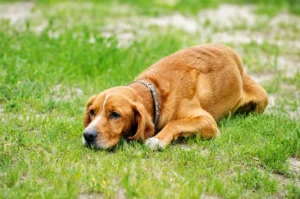
You bring your dog home after a routine vaccination appointment, feeling like a responsible pet parent. Your pup got protection, maybe a treat, perhaps a few compliments from the veterinary team, and everything seemed fine. Then, a few hours later, your dog starts limping.
Naturally, your brain may immediately jump from “minor soreness” to “emergency mystery injury.” Dogs are talented actors when they are uncomfortable, and some can make a tiny needle poke look like a tragic scene from a wilderness survival movie.
So, is it normal for a dog to limp after vaccines? In many cases, yes – mild limping can happen after vaccination, especially if the injection was given in or near a leg muscle. Just like people may feel soreness after a flu shot, dogs can experience tenderness, stiffness, or mild discomfort around the injection site. However, while some post-vaccine limping can be normal, it should still be watched carefully.
Vaccines are an important part of preventive health care, but every dog is different. Age, size, immune response, injection location, and overall health can all affect how your dog feels afterward.
Why Dogs May Limp After Vaccination
Vaccines work by stimulating your dog’s immune system. That is the whole point – they help the body recognize and respond to certain diseases before those diseases become a real threat. But because the immune system is being activated, mild temporary side effects can happen.
A dog may limp after vaccines because of local soreness at the injection site. If the vaccine was given near the shoulder, hip, or upper leg area, your dog may move differently for a short time. Some dogs may be sensitive to touch, reluctant to jump, or slightly stiff when walking.
Other dogs may limp because they feel generally tired or achy. Their body is busy responding to the vaccine, and for a day or so, they may not feel like their usual tail-wagging, couch-stealing self.
Common mild reactions after vaccines may include:
- Slight limping or stiffness
- Tenderness near the injection area
- Mild tiredness or lower energy
- Slight decrease in appetite
- Mild swelling where the vaccine was given
- Wanting extra naps and fewer dramatic zoomies
These signs are often short-lived. Many dogs are back to normal within 24 to 48 hours. In fact, some dogs recover so quickly that by the next day they are once again trying to eat things that are absolutely not food.
When Limping Is Usually Not a Big Concern
If your dog has a mild limp but is otherwise acting normal, eating, drinking, going outside, and responding to you, the situation may simply require observation. A little soreness after a vaccine is not unusual.
For example, your dog may walk carefully, avoid stairs, or hesitate before jumping onto the sofa. This can happen because the injection area feels tender. In these cases, rest is usually helpful. Keep walks short, avoid rough play, and let your dog take it easy.
That said, “take it easy” means actual rest – not a full backyard wrestling tournament with the neighbour’s dog. Even if your pup insists they are ready for action, their body may benefit from a quiet day.
You should avoid giving human pain medication unless your veterinarian specifically tells you to. Many common human medications can be dangerous for dogs, even in small amounts. This is one of those situations where guessing is not a strategy – it is a fast track to trouble.
When You Should Call a Veterinarian
While mild limping may be normal, some signs should be taken more seriously. Vaccine reactions are usually mild, but stronger reactions can happen. It is always better to contact a professional if something feels off.
Call your veterinarian if you notice:
- Limping that lasts longer than 48 hours
- Severe pain or your dog refusing to put weight on the leg
- Significant swelling, heat, or redness near the injection site
- Vomiting, diarrhea, or facial swelling
- Trouble breathing or extreme weakness
- Collapse, trembling, or unusual behaviour
- A lump that grows, becomes painful, or does not improve
Some symptoms, such as facial swelling, breathing difficulty, or collapse, may suggest a more serious allergic reaction and should be treated as urgent. These reactions are not common, but they need quick attention.
If your dog has reacted to vaccines before, make sure your veterinary team knows. They may adjust the vaccination plan, separate vaccines across different visits, monitor your dog more closely afterward, or recommend other precautions.
Why Professional Vaccine Care Matters
Vaccination is not just about giving a shot. It is about choosing the right vaccines, at the right time, for the right dog. Puppies, senior dogs, indoor dogs, outdoor explorers, social dogs, and dogs with health conditions may all need slightly different care plans.
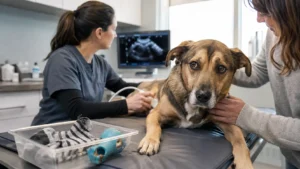
This is where a trusted veterinary team makes a big difference. At Westmount Vet, the goal is not only to vaccinate your dog but also to help you understand what is normal, what needs attention, and how to keep your pet comfortable before and after the visit.
A professional team can check your dog’s health, review lifestyle risks, recommend an appropriate schedule, and monitor for possible reactions. That is much safer than trying to make vaccine decisions alone based on internet guesses, neighbour opinions, or that one person at the dog park who seems very confident about everything.
If you are looking for an Calgary animal clinic that can support your dog’s preventive care, Westmount Vet offers guidance that is practical, personalized, and focused on your pet’s long-term health.
What You Can Do at Home After Vaccines
After your dog receives vaccines, your job is mostly observation and comfort. Let your dog rest somewhere quiet and cozy. Make sure fresh water is available. Keep activity light for the rest of the day, especially if your dog seems sore or tired.
You can gently monitor the injection area, but do not keep poking it every ten minutes like you are checking if a cake is done. Too much touching can make your dog more irritated and may increase discomfort.
If your dog is limping slightly but still behaving normally, give it some time. Most mild soreness improves on its own. However, if your dog seems very uncomfortable or the limp gets worse, contact your vet.
A vaccination appointment is also a great opportunity to ask questions. For example, you can ask where the vaccine was given, what side effects are expected, how long they may last, and when to call if something changes.
The Bottom Line on Limping After Vaccines
So, is it normal for your dog to limp after vaccines? Sometimes, yes. A mild limp, stiffness, or tenderness can happen and often improves within a day or two. It is usually related to soreness at the injection site or a temporary immune response.
But normal does not mean “ignore everything.” If the limp is severe, lasts more than 48 hours, or comes with other symptoms, your dog should be checked by a veterinarian. Your dog cannot explain whether it feels like a tiny pinch, a sore muscle, or something more serious – although many dogs would absolutely exaggerate if they could.
Vaccines remain one of the best ways to protect dogs from preventable diseases. With professional guidance, careful monitoring, and a little common sense, the process can be safe, effective, and much less stressful for both you and your four-legged family member.
For pet owners considering dog vaccination in Calgary, Westmount Vet can help make the experience clear, comfortable, and properly managed from start to finish. Because when it comes to your dog’s health, it is always better to have a skilled veterinary team on your side – and maybe a few treats in your pocket.