
Finding a small puddle of clear liquid on the floor is rarely how anyone wants to start the day. Your cat, meanwhile, may be sitting nearby with the expression of someone who has absolutely no idea how it got there.
Clear vomit can look harmless because it contains no food, blood, or dramatic colours. However, it may be made up of water, saliva, stomach fluid, or a small amount of mucus. Sometimes it happens because a cat drank too quickly or had an empty, irritated stomach. In other cases, repeated vomiting can point to a digestive problem, a foreign object, toxin exposure, or an illness affecting another part of the body. The appearance of the liquid alone cannot reveal the cause, so the surrounding signs matter just as much.
Is It Vomiting or Regurgitation?
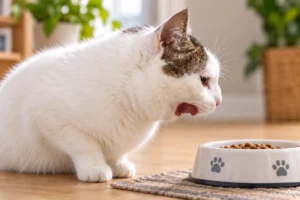
Before trying to work out why it happened, pay attention to how it happened. Vomiting usually involves nausea, lip licking, drooling, repeated swallowing, abdominal contractions, or obvious retching. Regurgitation is generally more passive. Material may simply come back up shortly after eating or drinking, without the dramatic full body performance that often accompanies vomiting.
This distinction is useful because vomiting usually begins in the stomach or upper intestine, while regurgitation can be connected to the throat or esophagus. A short video of the episode can be surprisingly helpful for your veterinarian, provided you can safely record it without delaying urgent care.
Common Reasons Cats Vomit Clear Liquid
One isolated episode does not always indicate a serious illness. Cats are talented at creating alarming situations and then acting completely normal five minutes later. Still, clear vomiting has several possible explanations:
- An empty or mildly irritated stomach producing fluid and mucus
- Drinking a large amount of water too quickly
- Hairballs irritating the stomach before any hair appears
- Eating too fast, overeating, or reacting to a sudden diet change
- Mild stomach or intestinal inflammation
- Food intolerance or allergy
- Internal parasites or infection
- Swallowing string, ribbon, plastic, rubber bands, or another foreign object
- Exposure to plants, cleaning products, medications, antifreeze, or unsafe foods
- Conditions involving the kidneys, liver, pancreas, thyroid, or digestive tract
Vomiting is a symptom rather than a diagnosis. Digestive irritation is common, but kidney disease, liver disease, pancreatitis, toxins, infections, parasites, obstructions, food reactions, and tumours are also recognized causes.
Could an Empty Stomach Be Responsible?
Some cats bring up clear fluid or foam when they have gone too long without eating. Stomach secretions may build up and irritate the stomach lining, especially early in the morning or before a regular meal. A veterinarian may recommend adjusting meal timing or offering smaller, more frequent portions, but this should not automatically be treated as the explanation every time.
Repeated early morning vomiting can still be associated with disease. A feeding change may reduce a minor problem, but it should not be used to hide a pattern that is becoming more frequent. Keep track of when the vomiting occurs, what your cat ate, and whether appetite, thirst, weight, or litter box habits have changed.
When Clear Vomit Is an Emergency
A cat that vomits once and then eats, drinks, plays, and uses the litter box normally may only need close observation. The situation becomes more concerning when vomiting is repeated, severe, or accompanied by other symptoms. Cornell advises prompt veterinary evaluation when vomiting is frequent or occurs with weakness, reduced appetite, blood, abnormal thirst or urination, or diarrhea. Merck also identifies persistent vomiting, pain, dehydration, fever, weight loss, depression, and weakness as warning signs.
Contact an emergency vet in Calgary promptly when you notice any of the following:
- Repeated vomiting or an inability to keep water down
- Blood, dark material resembling coffee grounds, or unusual green contents
- Severe lethargy, collapse, weakness, trembling, or disorientation
- A swollen, tense, or painful abdomen
- Straining, crying, hiding, or refusing to move
- Difficulty breathing, pale gums, or bluish gums
- Suspected ingestion of string, medication, chemicals, lilies, or another toxin
- Vomiting combined with diarrhea, dehydration, fever, or refusal to eat
- Little or no urine, unusually frequent urination, or a major change in thirst
- Clear vomiting in a kitten, senior cat, or cat with an existing medical condition
A gastrointestinal obstruction is an emergency because trapped material can damage the intestine and may lead to perforation, shock, or other life threatening complications. Toxic exposures can also worsen rapidly. Never pull visible string from your cat’s mouth or rear, and do not attempt to make a cat vomit at home unless a veterinary professional gives specific instructions.
What Should You Do at Home?
Start by observing your cat carefully. Note the time of the episode, the number of times vomiting occurred, and whether the liquid was completely clear, white and foamy, yellowish, pink, or mixed with food or hair. Take a photo before cleaning it up. It is not glamorous, but neither is owning a cat at 3 a.m.
Check for possible hazards such as chewed plants, torn medication packaging, missing string, damaged toys, spilled cleaners, or open garbage. Remove access to anything suspicious, but do not give human medications, milk, oil, salt, hydrogen peroxide, or internet inspired remedies. Cats process many substances differently from people, and well intentioned treatment can make the problem more dangerous.
Do not force food or water into a nauseated cat. Keep fresh water available unless a veterinarian provides different instructions. Because cats have different health histories, ages, and risks, advice about meal timing or temporary diet changes should come from the veterinary team familiar with the case.
How a Veterinarian Finds the Cause
At a veterinary hospital in Calgary, the examination usually begins with questions about your cat’s diet, appetite, thirst, litter box habits, medications, possible toxin exposure, and access to string or small objects. The veterinarian may check hydration, temperature, abdominal comfort, gum colour, body weight, and overall alertness.
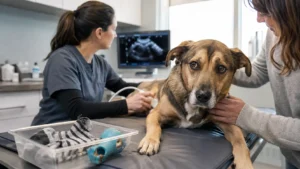
Depending on the findings, diagnostic testing may include bloodwork, urine testing, fecal analysis, X rays, or ultrasound. These tests can help identify dehydration, organ disease, inflammation, parasites, or a possible obstruction. More persistent or complicated cases may require specialized imaging, endoscopy, or biopsy.
Treatment depends on the cause. It may involve fluids, anti nausea medication, dietary management, parasite treatment, toxin care, hospitalization, or surgery for an obstruction. The goal is not merely to stop the puddles. It is to identify why they are happening and prevent the underlying problem from becoming more serious.
Why Professional Care Matters
Clear liquid may be the result of a brief stomach upset, but its innocent appearance can be misleading. Cats often hide discomfort, which means a subtle change in appetite, energy, thirst, or behaviour deserves attention.
West Mount Vet can evaluate the complete picture rather than guessing from the colour of the vomit alone. A professional assessment is especially important when episodes repeat, new symptoms appear, or your cat may have swallowed something unsafe. Early care can reduce dehydration, relieve discomfort, and improve the chance of treating the cause before it develops into a larger problem.
Your cat may never explain why the carpet was chosen instead of the easy to clean kitchen floor. Fortunately, a veterinarian can help explain what the vomiting means – and what should happen next.