A veterinary check-up may look simple from the outside. Your pet walks into the exam room, receives a few pats, gets inspected from nose to tail, and leaves with a treat and perhaps a slightly offended expression. However, a professional wellness examination involves much more than a quick look at your pet’s ears and a polite comment about their weight.
Routine veterinary visits help identify health concerns before they become serious, painful, or expensive to treat. Pets cannot explain that they have been feeling dizzy, experiencing tooth pain, or noticing something unusual after dinner. Instead, they communicate through changes in behaviour, appetite, movement, appearance, and energy levels. A veterinarian knows how to interpret these clues and combine them with a detailed physical examination.
At Westmount Vet, regular check-ups are designed to support your pet’s long-term health while giving you practical guidance based on their age, breed, lifestyle, and medical history. Here is what normally happens during a veterinary wellness visit and why every part of the examination matters.
A Conversation About Your Pet’s Health
Most appointments begin with questions. This may feel like a friendly conversation, but the answers provide important medical information.
The veterinary team may ask about your pet’s diet, appetite, water consumption, activity level, bathroom habits, sleep patterns, medications, supplements, and recent behavioural changes. They may also ask whether your pet has been coughing, scratching, vomiting, limping, hiding, or showing less interest in normal activities.
Even a small detail can be significant. For example, drinking more water may indicate anything from warmer weather to an underlying medical condition. A cat that suddenly avoids jumping onto the couch may not have become lazy overnight – joint discomfort could be making movement difficult.
Before your appointment, it can be helpful to make a note of anything unusual you have observed. Pets have an impressive ability to act completely healthy the moment they arrive at a veterinary clinic, especially after spending three days behaving strangely at home.
Measuring Weight and Body Condition
Your pet will usually be weighed near the beginning of the visit. Weight changes can reveal important information about overall health, nutrition, and possible illness.
However, the number on the scale does not tell the whole story. Veterinarians also evaluate body condition by feeling the ribs, examining the waist, and assessing muscle mass. Two dogs of the same weight may have completely different body compositions depending on their breed, size, and fitness level.
A healthy body weight can reduce the risk of joint problems, diabetes, breathing difficulties, and other health concerns. If your pet needs to lose or gain weight, the veterinarian can recommend a realistic nutrition plan rather than relying on internet advice such as “replace dinner with one carrot and positive thinking.”
Checking the Eyes, Ears, and Nose
The veterinarian will examine your pet’s eyes for redness, cloudiness, discharge, irritation, abnormal pupil response, and other changes. Eye problems can become painful quickly, which is why early assessment is important.
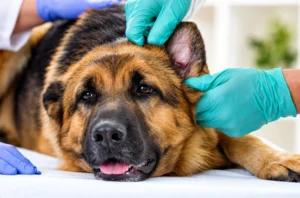
The ears are checked for inflammation, odour, excessive wax, parasites, infection, and sensitivity. Some pets are especially prone to ear problems because of allergies, ear shape, hair growth, frequent swimming, or genetics.
The nose may also be inspected for unusual discharge, crusting, changes in colour, or breathing difficulties. Contrary to a popular myth, a warm or dry nose does not automatically mean that a pet is sick. Veterinary medicine is slightly more complicated than checking whether the nose feels like a refrigerated mushroom.
Examining the Mouth and Teeth
Dental health is an important part of every check-up. The veterinarian may inspect the teeth, gums, tongue, and surrounding tissues for tartar, inflammation, damaged teeth, infection, unusual growths, or signs of pain.
Dental disease can affect more than your pet’s breath. Untreated oral problems may cause chronic discomfort, difficulty eating, tooth loss, and infection. Pets often continue eating despite dental pain, so owners may not realize there is a problem.
Common signs of dental trouble include:
- Bad breath, red gums, visible tartar, or bleeding around the teeth
- Dropping food, chewing on one side, eating more slowly, or avoiding hard treats
- Pawing at the mouth, excessive drooling, or becoming sensitive around the face
- Reduced appetite, weight loss, or reluctance to play with toys
A veterinarian can explain whether your pet needs professional dental cleaning, further testing, home dental care, or monitoring.
Listening to the Heart and Lungs
Using a stethoscope, the veterinarian listens to your pet’s heart rate, rhythm, and sounds. This helps detect abnormalities such as heart murmurs, irregular rhythms, or changes that may require additional investigation.
The lungs are checked for normal airflow and unusual sounds that could be associated with infection, inflammation, respiratory disease, or other concerns. The veterinarian may also observe how your pet breathes while resting and moving around the room.
Your pet may interpret the stethoscope as a suspicious cold object sent to interrupt their day. Nevertheless, this simple step can provide valuable information about two of the body’s most important systems.
Feeling the Abdomen
The veterinarian will gently press and feel different areas of your pet’s abdomen. This process is called abdominal palpation.
It allows the veterinarian to assess the size, position, and texture of internal organs and check for discomfort, swelling, fluid, unusual masses, or other abnormalities. The liver, kidneys, bladder, intestines, and stomach may all provide clues during this part of the examination.
Abdominal palpation should be performed by a trained professional. Pressing randomly on your pet’s stomach at home is unlikely to provide useful information and may cause discomfort or anxiety.
Checking the Skin, Coat, and Lymph Nodes
Healthy skin and fur can reflect your pet’s overall well-being. During the examination, the veterinarian may look for lumps, wounds, parasites, hair loss, dandruff, redness, inflammation, unusual pigmentation, and signs of allergies.
They will also feel certain lymph nodes located around the body. Enlarged lymph nodes can sometimes indicate infection, inflammation, or other medical concerns.
Pet owners should regularly notice changes in the skin and coat, but identifying the cause often requires professional assessment. A small lump might be harmless, while another lump of similar size could need testing. Appearance alone is not always enough to determine the difference.
Evaluating Joints, Muscles, and Movement
The veterinarian may watch your pet walk, stand, sit, or move around the examination room. They may gently examine the legs, spine, neck, paws, and joints to check for pain, stiffness, swelling, weakness, or reduced range of motion.
Mobility problems are not limited to senior pets. Young animals can also experience injuries, developmental conditions, or breed-related joint concerns.
Changes that may deserve attention include:
- Limping, stiffness, trembling, or difficulty standing up
- Hesitation before using stairs, jumping, running, or entering a vehicle
- Reduced interest in walks, games, climbing, or normal activities
- Licking one joint repeatedly or reacting when a certain area is touched
Early treatment may help reduce discomfort and prevent mobility problems from becoming more severe.
Reviewing Vaccinations and Parasite Prevention
Vaccination needs depend on your pet’s age, health, lifestyle, travel habits, and exposure risks. During the check-up, the veterinarian will review your pet’s vaccination history and recommend an appropriate schedule.
Parasite prevention may also be discussed. Fleas, ticks, intestinal parasites, and other unwanted guests can affect both indoor and outdoor pets. Even an indoor cat may encounter parasites through another animal, contaminated objects, or a determined insect with excellent navigation skills.
A professional recommendation is especially important because prevention products vary by species, weight, age, and medical condition. Products intended for dogs may be dangerous for cats, and incorrect dosing can create serious risks.
Possible Laboratory Testing
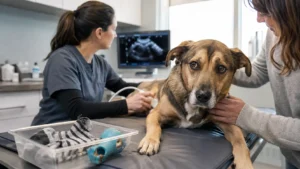
Not every check-up requires laboratory testing, but bloodwork, urine testing, stool analysis, or other diagnostics may be recommended depending on the pet’s age, symptoms, medical history, and examination findings.
Routine testing can detect internal changes that are not visible during a physical examination. This is particularly valuable for senior pets and animals with chronic medical conditions.
For example, bloodwork may help evaluate organ function, blood sugar, red and white blood cells, hydration, and other health indicators. Urine testing may provide information about the kidneys, bladder, infection, and metabolic health.
Advice About Nutrition, Behaviour, and Daily Care
A check-up is also an opportunity to ask questions about feeding, exercise, training, grooming, dental care, travel, anxiety, introducing another pet, or changes at home.
Online information can be useful, but it is often general, contradictory, or completely unsuitable for a particular animal. Recommendations should consider your pet’s individual needs rather than treating every Labrador, Siamese cat, rabbit, or tiny dog with a surprisingly large personality as though they are medically identical.
For pet owners searching for a reliable vet clinic in Calgary, Westmount Vet provides professional examinations, preventive care, diagnostics, and personalized recommendations in one convenient setting.
How Often Does a Pet Need a Check-Up?
Many healthy adult pets benefit from a wellness examination at least once a year. Puppies, kittens, senior pets, and animals with ongoing medical conditions may need more frequent appointments.
Pets age faster than humans, which means meaningful health changes can develop within a relatively short period. Regular visits help establish a medical history and allow the veterinary team to compare weight, examination findings, test results, and behaviour over time.
Preventive appointments are also less stressful than waiting until a pet is visibly ill. By the time some animals show obvious symptoms, a condition may already be advanced.
Why Professional Check-Ups Matter
A veterinary examination combines medical knowledge, observation, physical assessment, diagnostic tools, and experience. Watching videos or reading symptom lists cannot replace a hands-on professional evaluation.
Home monitoring still plays an important role. You know your pet’s normal behaviour better than anyone, and your observations help the veterinarian understand what may be happening. The best approach is a partnership – you notice changes at home, and the veterinary team investigates them properly.
Westmount Vet supports Calgary pet wellness through routine examinations, preventive recommendations, early detection, and ongoing care tailored to each animal. Regular check-ups may not be your pet’s favourite calendar event, but they are one of the most effective ways to protect their comfort and quality of life.
A thorough vet visit is not simply a quick vaccination appointment or a chance to confirm that your pet is still adorable. It is a complete health review that can identify hidden problems, answer important questions, and create a plan for the months or years ahead. Your pet may leave believing the treat was the main purpose of the appointment – and there is no urgent need to correct that misunderstanding.