
Dogs have a remarkable talent for acting as if everything is perfectly fine. They can limp dramatically after stepping on a leaf, then completely ignore a real health problem because someone has opened a bag of treats. Unfortunately, this means that waiting until your dog “looks sick” is not always the best approach.
Regular veterinary visits help identify health concerns before they become painful, complicated, or expensive. But how often should you actually take your dog to the vet? The answer depends on your dog’s age, lifestyle, medical history, and overall health.
For most healthy adult dogs, one wellness examination per year is the usual recommendation. Puppies, senior dogs, and pets with ongoing medical conditions generally need more frequent appointments. Let’s look at what your dog may need during each stage of life.
Puppies Need Frequent Veterinary Visits
Puppies usually require more veterinary care during their first year than at almost any other point in their lives. Their immune systems are still developing, they need several vaccinations, and they have an impressive ability to eat things that were never intended to be food.
A puppy’s first veterinary visit should normally take place shortly after adoption. During this appointment, the veterinarian will examine the puppy’s heart, lungs, eyes, ears, mouth, skin, joints, and abdomen. The vet may also check for parasites and discuss nutrition, behaviour, dental care, and preventive treatments.
Most puppies need appointments every three to four weeks until they are approximately four months old. The exact schedule may vary depending on the puppy’s previous vaccinations, health history, breed, and risk factors.
Common reasons for puppy appointments include:
- Core vaccinations and appropriate booster doses
- Parasite testing, deworming, and preventive medication
- Monitoring growth, weight, teeth, and physical development
- Discussing nutrition, socialization, training, and spaying or neutering
These early appointments are also a great opportunity to help your puppy become comfortable at the veterinary clinic. Positive visits can reduce fear later in life. A few treats, calm handling, and friendly staff can teach your puppy that the clinic is not a mysterious building where thermometers appear without warning.
Healthy Adult Dogs Usually Need Annual Exams
Once a dog reaches adulthood, yearly wellness examinations are usually appropriate. Even when your dog appears energetic, eats normally, and continues to chase squirrels with unnecessary enthusiasm, an annual exam is still important.
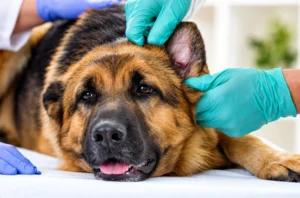
Dogs age faster than humans, which means that significant changes can develop within a year. During a routine appointment, the veterinarian can evaluate your dog’s weight, heart, lungs, joints, skin, coat, eyes, ears, teeth, and overall physical condition.
The vet may also recommend vaccinations, parasite prevention, blood testing, urine testing, or other diagnostic services based on your dog’s age and lifestyle. A dog that frequently visits parks, boarding facilities, daycare centres, lakes, or wooded areas may face different risks than a dog that spends most of the day guarding the sofa.
Booking routine care at a trusted animal clinic in Calgary allows your veterinarian to create a consistent medical history for your pet. This makes it easier to recognize changes in weight, behaviour, mobility, dental health, and other important areas over time.
Senior Dogs May Need Visits Twice a Year
Dogs are generally considered senior at around seven years of age, although this varies by breed and size. Large breeds often reach their senior stage earlier, while smaller dogs may remain surprisingly youthful for longer. Some small dogs seem convinced they are puppies well into their teenage years.
Senior dogs should often visit the veterinarian every six months. More frequent examinations allow health changes to be detected earlier, when treatment and management may be more effective.
Age related conditions can develop gradually. Owners may assume that reduced activity, weight changes, stiffness, confusion, or increased sleeping are simply normal signs of getting older. However, these changes can sometimes be connected to arthritis, dental disease, hormonal conditions, heart problems, kidney disease, vision loss, or other medical concerns.
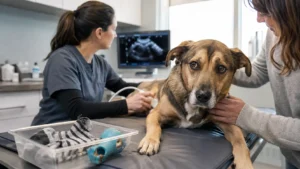
Your veterinarian may recommend routine blood and urine testing for a senior dog, even when the dog seems healthy. These tests can provide valuable information about organ function and may reveal changes that are not visible during a physical examination.
Regular appointments can also help your veterinarian recommend adjustments to nutrition, exercise, pain management, dental care, and home routines.
Dogs With Medical Conditions Need Personalized Schedules
A dog with an ongoing health condition may need appointments more often than once or twice a year. The appropriate schedule depends on the diagnosis, treatment plan, medication, and response to care.
For example, dogs with diabetes, allergies, arthritis, kidney disease, heart disease, thyroid conditions, or recurring infections may need regular monitoring. Some medications also require periodic blood tests to confirm that the treatment is working safely.
Follow up visits are important because symptoms can change over time. A treatment that worked well six months ago may need to be adjusted. Skipping recommended monitoring can allow a manageable problem to become more serious.
Professional care is especially important when a dog has a chronic condition. Online advice and home remedies may sound convenient, but they cannot replace a physical examination, diagnostic testing, and a treatment plan created for your individual pet. Your neighbour’s dog may have improved after eating pumpkin, but pumpkin is not a universal medical degree.
When Should You Visit the Vet Immediately?
Routine examinations are important, but some situations should not wait until the next scheduled wellness appointment. Dogs cannot explain where it hurts or how long they have felt unwell, so sudden changes should be taken seriously.
Contact a veterinary clinic promptly if your dog experiences:
- Difficulty breathing, collapse, seizures, or severe weakness
- Repeated vomiting, persistent diarrhea, or a swollen abdomen
- Bleeding, serious injury, sudden limping, or obvious pain
- Inability to urinate, loss of consciousness, or suspected poisoning
- A major change in appetite, thirst, behaviour, or energy
- Persistent coughing, unusual discharge, or rapidly worsening symptoms
It is better to contact a veterinary professional and learn that the situation is not urgent than to wait while a serious condition develops. Quick action can make a significant difference in emergencies.
Preventive Care Is More Than Vaccinations
Many people associate veterinary appointments mainly with vaccinations. Vaccines are important, but preventive care includes much more.
A complete wellness program may include dental evaluations, parasite prevention, nutrition advice, weight management, diagnostic screening, skin and coat assessments, and discussions about behaviour or mobility.
Dental disease is particularly common in dogs. Bad breath may seem like a normal part of dog ownership, but it can be a sign of plaque, gum inflammation, infection, or painful damaged teeth. Regular dental evaluations can help prevent discomfort and protect your dog’s overall health.
Weight is another important topic. Even a few extra kilograms can place additional pressure on a dog’s joints and organs. Because weight gain often happens slowly, it can be difficult for owners to notice. A veterinarian can evaluate your dog’s body condition and recommend appropriate portions, food choices, and activity levels.
A professional approach to Calgary pet wellness focuses on preventing problems rather than simply reacting to illness. This can support a longer, more comfortable life for your dog and may reduce the need for complicated treatment later.
Your Dog’s Lifestyle Affects the Schedule
Not every dog faces the same health risks. A dog that travels, hikes, swims, attends daycare, or regularly meets other animals may need different vaccinations or parasite protection.
Canadian seasons can also influence preventive care. Fleas, ticks, mosquitoes, ice, extreme cold, and hot summer days can create different risks throughout the year. Veterinarians can recommend protection based on your dog’s activities, environment, age, and medical history.
Breed can matter as well. Certain breeds are more likely to develop specific joint, skin, eye, heart, or breathing problems. Regular examinations allow your veterinarian to watch for early signs and provide practical guidance.
Do Not Wait for Obvious Symptoms
Dogs often hide discomfort, and some medical problems produce few visible symptoms in their early stages. By the time a dog stops eating, becomes extremely tired, or shows obvious pain, the condition may already be advanced.
Routine veterinary visits establish a health baseline. When your veterinarian knows what is normal for your dog, small changes become easier to recognize. This long term relationship can improve preventive care and help medical decisions feel less like guesswork.
It can also save money. Preventing dental disease, managing weight early, or identifying an infection before it spreads is often easier and less costly than treating an advanced condition.
So, How Often Should Your Dog See the Vet?
Most healthy adult dogs should have a veterinary examination at least once a year. Puppies usually need several visits during their first months, while senior dogs often benefit from appointments every six months. Dogs with medical conditions may require a customized schedule.
The best schedule is not based only on age. It should also consider breed, lifestyle, previous health problems, medications, diet, behaviour, and environmental risks.
Your dog may not understand why regular veterinary visits matter. In fact, your dog may believe that the entire appointment is an elaborate plan to examine their ears and delay lunch. Still, routine professional care is one of the most effective ways to protect your pet’s health.
Do not wait for a problem to become obvious. Regular examinations, preventive treatment, and early diagnosis can help your dog stay active, comfortable, and ready for many more walks, naps, and suspicious investigations of the kitchen floor.
If your dog is due for a wellness exam, contact Westmount Vet Clinic in Calgary to book an appointment.