
You come home, and something feels off. Your cat’s not at the window like usual. Your dog doesn’t come running with a tail wag. They’re quiet. Maybe hiding. You ask yourself, “Is this serious? Or am I just being paranoid?”
Every pet owner has faced this moment. Pets can’t tell us what hurts, so it’s up to us to spot the signs. Small changes in behavior or body language can be warnings. And when your gut says something’s wrong, it usually is.
This guide will help you identify which symptoms require immediate attention and when to contact your veterinarian. Because catching problems early can make all the difference.
Not Sure If It’s an Emergency? Here’s What to Watch For
It’s normal to wonder if something really counts as an emergency. Many signs aren’t loud or obvious, especially at the beginning. However, some changes should always catch your attention.
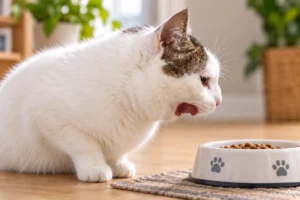
If you notice your pet breathing differently, whether too fast, too slow, wheezing, or gasping, it’s a red flag. Vomiting more than once, refusing food when they’re usually excited to eat, or seeming extremely tired or in pain are also significant indicators that something serious may be going on. These are the kinds of clues you need to act on quickly.
At the end of the day, you know your pet better than anyone. If their behavior is off and your gut says something’s wrong, listen to that voice. Don’t wait. A quick check with a veterinarian can either give you peace of mind or catch a problem before it worsens.
Breathing Trouble? Why It Demands Immediate Action
If your pet is struggling to breathe, don’t wait. Breathing issues can get worse in minutes, not hours. You might see your dog panting hard without having exercised, or your cat gasping or wheezing. In some cases, your pet may appear restless, pacing, or stretching their neck to try to get more air.
Check their gums and tongue. Healthy ones are usually pink. If they’re pale, bluish, or gray, that’s a sign your pet isn’t getting enough oxygen. That’s not something you can monitor and hope will improve. That’s your cue to contact an emergency veterinary clinic right away.
Breathing trouble could be caused by allergies, heart conditions, asthma, or something blocking the airway. Regardless of the cause, the risk is too high to delay. Even if your pet appears calm, abnormal breathing is a serious issue that requires urgent care.
Vomiting or Diarrhea That Doesn’t Stop
Every pet gets an upset stomach from time to time. But vomiting or diarrhea that keeps happening, especially more than once, becomes dangerous, especially for puppies, kittens, or older animals.
If your pet can’t keep water down or if you notice blood in their vomit or stool, don’t wait it out. Dehydration can set in fast and lead to more serious complications.
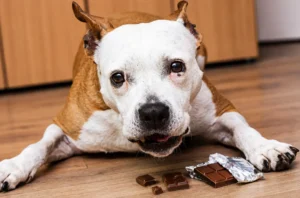
It might be food-related. Or it could be an infection, poisoning, or a blockage. You won’t always know what caused it, but you will know when something’s not right. Don’t take the wait-and-see approach with repeated vomiting.
Collapsing, Seizures, or Losing Balance
Few things are scarier than seeing your pet collapse or shake uncontrollably. Seizures might come out of nowhere. Your dog or cat could fall over, paddle their legs, or seem frozen and unaware. If this happens, stay calm, keep them safe, and contact a vet immediately.
Seizures aren’t always caused by epilepsy. Sometimes, they’re triggered by poisoning, low blood sugar, or even head trauma. If your pet seems wobbly or loses their balance, it may also indicate inner ear problems, neurological issues, or a serious illness.
Whether it’s a one-time collapse or a repeat event, don’t guess your way through it. Take action, seek medical advice, and bring your pet in for urgent care so they can be stabilized and receive proper treatment.
Bleeding or Visible Injuries
Any bleeding that doesn’t stop within a minute or two is worth a vet call, especially if it’s coming from the mouth, nose, or a deep wound. Visible injuries from a fall, a fight, or a car accident should be checked, even if your pet seems to be acting normally at first.
Some injuries may appear minor on the outside but can be serious underneath. Swelling, limping, or open cuts can get infected or hide internal damage. It’s also common for animals to hide their pain, making it more challenging to determine the severity of an injury.
If your pet cries when touched, refuses to move, or starts hiding in odd places, these can all be signs they’re in pain. Don’t wait for it to get worse. Prompt treatment can alleviate suffering and help your pet recover more quickly.
Belly Swollen or Tight? Bloat Can Be Fatal
Bloat may look like a full stomach, but it’s a life-threatening emergency. Dogs, especially large or deep-chested breeds, are at risk for gastric dilatation-volvulus (GDV), a condition where the stomach twists and traps gas inside. This can cut off blood flow and become fatal quickly.
Look for signs like a tight, hard belly, pacing, drooling, or repeated attempts to vomit without bringing anything up. Your pet may seem restless or in pain. If you notice these symptoms, don’t wait. Bloat can progress rapidly, and surgery is often needed.
Even if your pet has never had digestive issues before, a swollen, painful belly should never be ignored. Trust your instincts, contact your veterinarian, and visit an emergency animal clinic as soon as possible.
Peeing Problems? Why You Should Call Right Away
If your pet is having trouble urinating or can’t urinate at all, it may be more than discomfort; this could point to a serious, life-threatening condition. Urination problems can affect any pet, but male cats are especially at risk due to their narrower urethra, which can become blocked more easily.
You might notice frequent trips to the litter box, crying out during attempts to urinate, or pacing restlessly. Some pets will lick their private area constantly or try to urinate in unusual places. These are all signs of distress that require serious attention.
Urinary blockages can lead to bladder rupture, kidney damage, or toxic buildup in the bloodstream. This is a true emergency. Receiving care promptly gives your pet the best chance of recovery and helps avoid painful, potentially dangerous complications.
They Can’t Speak, So Trust What You See
No list can cover every possible symptom. That’s why your instincts matter. If your pet seems off, if they won’t eat, hide, or just don’t act like themselves, it’s okay to ask for help.
Pets are wired to hide pain. That’s why the little changes matter. The slow walk. The quiet stare. The skipped meal. Your gut might notice something before your eyes do. Listen to that feeling.
When you’re unsure, calling your vet can help you catch problems early or give you peace of mind. Either way, you’ll be doing what’s best for your pet.
We’re Here When You Need Us Most
If you’re worried about your pet, don’t wait. At Westmount Animal Clinic, we’re ready to help you figure out what’s going on and give your pet the care they need—fast. Whether it’s breathing trouble, vomiting, injury, or a gut feeling that something’s wrong, we’re here for you.
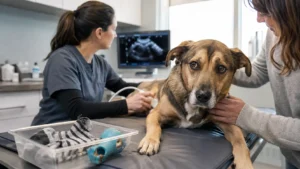
As a trusted emergency veterinary clinic in Calgary, we offer compassionate and skilled veterinary urgent care when your regular vet isn’t available. Our team is trained to handle emergencies with speed and care, using up-to-date equipment and proven treatment methods.
We treat your pets like family because that’s how we see them. If something feels off, please contact our vet clinic right away. Westmount Animal Clinic is your local animal clinic, and our emergency veterinarian team is always ready to help.