You know your dog better than anyone. You know the excited spins before a walk, that slow head tilt when you say “treat,” and even the way they snore louder than a movie theater speaker. You notice when they are being silly, stubborn, or simply tired. That is why, when something feels off, you do not always need a checklist. You just know.
But knowing something’s wrong and knowing what to do are two different things. Dogs cannot point to where it hurts or explain that their stomach aches. Instead, they communicate through behavior, small changes, and signals that are easy to miss.
One day, they skipped a meal. Next, they do not get up to greet you. It may be nothing, or it could be the start of something more serious. Paying attention early can make all the difference.
Every small change matters because it might be your dog’s quiet way of saying, “I need help.” Here are the top ten signs your dog may be sick, so you can spot problems early and get the proper care fast.
1. They’re Just Not Themselves
Every dog has a rhythm, a pattern you get used to. You know when they’re ready for a walk, when they run laps around the room, and when they crash for a nap. When that rhythm shifts, it’s often the first quiet sign something might be wrong.
Maybe they’re not waiting by the door like they usually do. Maybe they skip their morning zoomies or stare at their favorite toy without touching it. A sudden drop in energy or interest is a significant warning sign. Lethargy can be a subtle warning sign of illness, pain, or an internal issue that isn’t immediately apparent. When their spark fades, it’s time to check in with your vet.
2. Skipping Meals or Treats
Most dogs live for food. It’s the highlight of their day, the sound of the kibble bag, the jingle of a treat jar, the routine they count on. So when a dog suddenly turns away from the bowl, skips dinner, or ignores their favorite treat, it’s often their way of saying something’s off.
Dogs don’t say no to food for no reason. Refusing to eat can mean nausea, dental pain, fever, stress, or more serious underlying conditions like liver or kidney problems. And the longer it goes on, the more dangerous it becomes. Skipping one meal isn’t always a crisis, but skipping two or more meals can be. That’s your cue to take action. If your dog isn’t interested in eating, especially for more than 24 hours, it’s time to call your vet and figure out why.
3. Vomiting or Diarrhea That Won’t Quit
Dogs are curious. They chew, lick, sniff, and swallow things they shouldn’t. One-time vomiting or a brief stomach upset isn’t unusual. However, when it happens repeatedly, or diarrhea lasts longer than a day, it’s time to take it seriously and consult your vet.
Repeated vomiting or ongoing diarrhea can quickly lead to dehydration and exhaustion, especially in puppies, seniors, or smaller breeds. It may be caused by a virus, a bacterial infection, a toxic substance they ingested, or even an internal disease. And if you ever notice blood in their stool or vomit? That’s not a wait-and-see moment, that’s an emergency. If your dog keeps getting sick, don’t wait for them to get better on their own.
4. Drinking Way More (or Way Less)
You don’t need a stopwatch to know your dog’s habits, you just notice. You know how often they visit the water bowl and when it’s time to refill it. So if they start gulping water non-stop or barely touch it all day, that’s more than strange. That’s their body talking.
Increased thirst may indicate diabetes, kidney issues, or hormonal imbalances. Drinking less can lead to pain, fever, or nausea. These kinds of changes in hydration are common early indicators that something internal is off. These changes can appear before more significant symptoms emerge, so catching them early can make a huge difference. If the water bowl habits suddenly change and don’t go back to normal in a day, it’s time to check in with your vet.
5. Limping or Moving Funny
Dogs love to move. They run, jump, stretch, climb, and chase, movement is part of who they are. So when they start limping, walking slower, or hesitating to go up stairs, it’s their way of saying something hurts.
It could be a pulled muscle, arthritis, a sprained joint, or even a torn ligament. And while it might look minor, dogs are experts at hiding pain. If they’re changing how they move, don’t wait for it to work itself out. Pain in their body needs attention just like it would in ours.
6. Bad Breath or Strange Smells
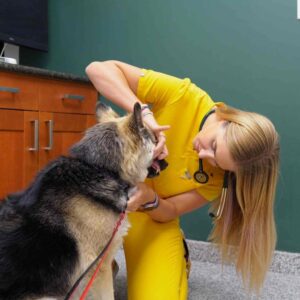
We joke about dog breath, but if you suddenly can’t be near their face, that’s not funny anymore. A foul odor coming from your dog’s mouth can be a warning sign of tooth decay, infected gums, or even problems with internal organs.
The same goes for smelly ears or skin that doesn’t improve with bathing. Infections, yeast buildup, or other conditions might be spreading below the surface. If your dog smells off, even after cleaning, their body could be trying to tell you something important.
7. Skin or Coat Problems
A healthy dog’s coat is soft and full, and their skin should be clear, not irritated. So when you start seeing bald spots, dry patches, or areas they won’t stop scratching, don’t assume it’s just winter skin or a change in weather.
Excessive scratching, licking, or biting could be caused by fleas, allergies, food sensitivities, infections, or even autoimmune conditions. And if they break the skin or develop hot spots, it can spiral fast. The sooner you check it out, the easier it is to treat, and the sooner your dog can stop feeling miserable.
8. Discharge from Nose, Eyes, or Ears
You look at your dog’s face every day. Those eyes, that nose, those floppy ears. So when something starts leaking, crusting, or dripping where it shouldn’t, it’s hard to miss, and it’s not something to ignore.
If you notice crusty buildup, mucus, or wet discharge around the eyes, ears, or nose, especially if it’s yellow, green, or thick, something isn’t right. It could be a sign of allergies, an eye injury, a respiratory infection, or ear inflammation.
If it’s paired with head shaking, squinting, or pawing at the face, they’re likely uncomfortable and in pain. These kinds of infections won’t go away on their own. Waiting too long can lead to long-term damage. Even small changes in their face can point to something deeper going on inside.
9. Acting Off or Moody
You know your dog’s personality as well as your own. When they start acting differently, clingier, grumpier, distant, or just not themselves, it’s more than a mood. It’s a message.
Dogs are creatures of habit. So when their personality suddenly shifts, don’t brush it off as just a weird day. Maybe your cuddly dog becomes distant. Or your relaxed dog suddenly snaps or hides. These mood changes often come from pain, confusion, or emotional stress.
And because dogs can’t explain it, they act it out. A change in behavior might be the only warning you get. Take it seriously, especially if it lasts more than a day or two. The earlier you catch it, the better chance you have to help them feel like themselves again.
10. Straining to Pee or Poop
Bathroom issues aren’t just frustrating, they can be serious. If your dog is straining, taking a long time to go, squatting repeatedly with no results, or having more accidents than usual, their body is under pressure. You might notice them pacing around before trying again, or looking back at their rear in confusion or discomfort. These little things often go overlooked, but they’re how dogs tell us something’s wrong.
It could be a urinary tract infection, bladder stones, constipation, or even a blockage. In some cases, the problem is painful but manageable. In others, it can escalate quickly into a medical emergency. If you notice blood, swelling, or hear them whimpering when they try to go, don’t wait to see if it passes. The faster you act, the better your chances are of relief, recovery, and avoiding a much bigger issue.
Need a Calgary Vet That Gets It
When something’s off with your dog, you don’t want guesswork. You want answers. You want someone who listens, someone who won’t brush off your concerns or make you feel rushed. You want care that feels like family.
At Westmount Animal Clinic, that’s exactly what we offer. From strange sneezes to real emergencies, we treat every case with urgency, clarity, and heart. Whether it’s a routine checkup or a sudden scare, our team is here to help quickly, kindly, and thoroughly.
So if you’re searching for an animal clinic that’s patient, a vet clinic that’s responsive, or an emergency vet clinic in Calgary that’s ready when things get serious, we’re the ones to call.
Book an appointment today so you’re ready if your dog ever needs us. Visit westmountvet.ca, because when it comes to your dog’s health, fast and thoughtful care makes all the difference.